0:07 Dario Vidosic I didn't even know if I would be in the team. we played in Brisbane, you you come to the hotel. the coach told me then, I'm in the squad and it was the first round. You get to the stadium, you're not sure, you're sitting there, and then he tells you warm up, And then when you get that called over, it turned out to be a beautiful night. Came in, helped with the first goal to go two one up, scored the third goal to score my debut. And just yeah, I felt like I could have exploded at the time with joy
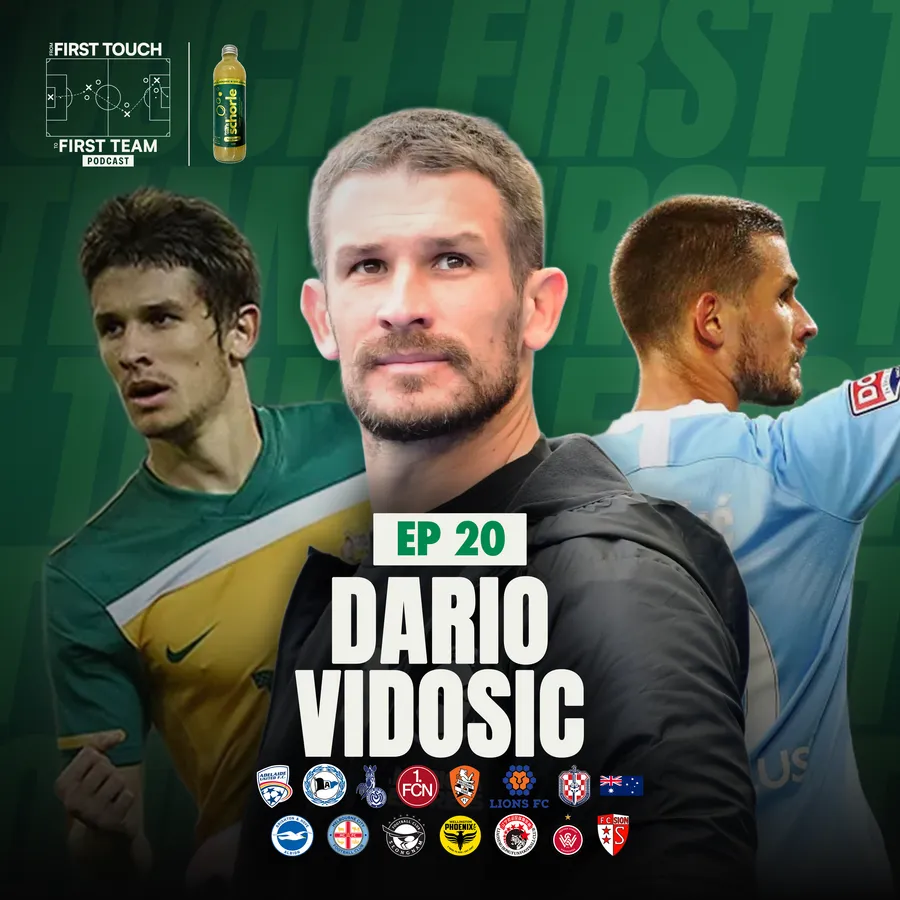
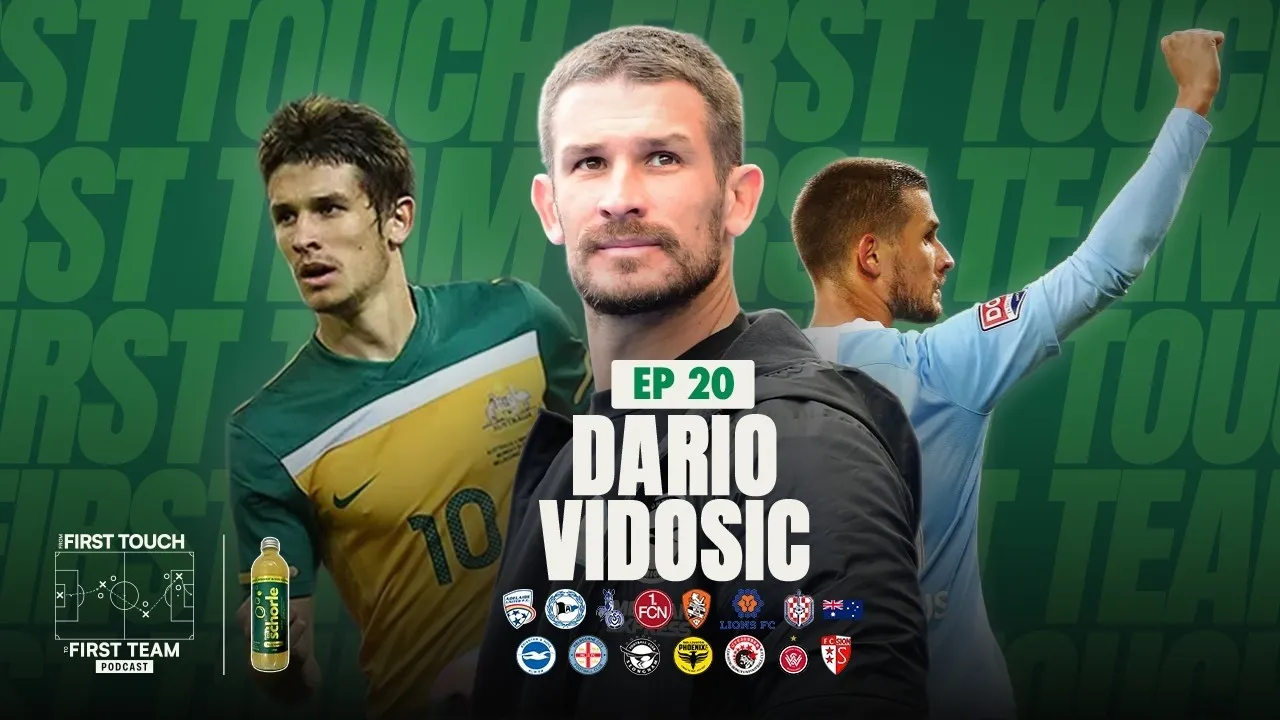
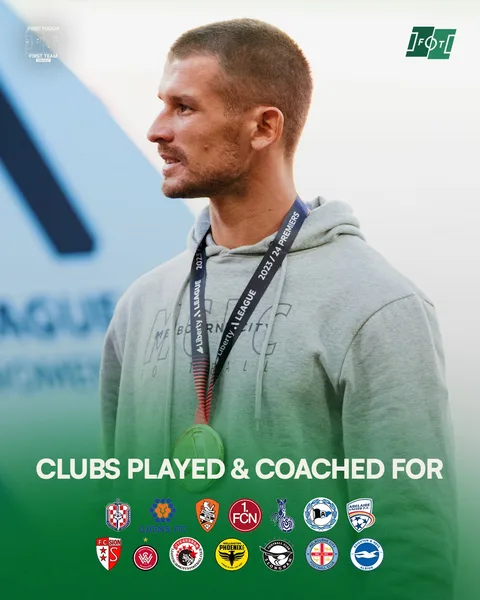
0:36 Jan Welcome back to From First Touch to First Team. I'm Jan, your host, and today already marks our 20th episode. Unbelievable. When I first started this podcast, I didn't think I'm gonna get that far, I didn't think I'm gonna enjoy it as much, and I also didn't think that so many people would be listening. So, first of all, thanks to you for subscribing, for listening each week, and I'm glad you're enjoying these conversations. I hope that they provide a lot of insights from all of these players and guests that we're having on the show. And I think today, as announced, is gonna be another big one. Dario Vidosic came from Croatia to Australia, made his debut in the A League, transferred over to the Bundesliga to Nuremberg, played with players like Marek Mintál and Misimović, who were in their generation one of the biggest players in the Bundesliga. He represented Australia and the Socceros as part of the golden generation. Made his transition into coaching, started at Melbourne City, was coaching at Brighton and Hove Albion in the women's side and the women's Premier League. So he already reached a very high level. I'm sure his next move from his coaching career is gonna be an even better and bigger one. And it was a very enjoyable chat with him. He shares a lot of advice, a lot of insight on his journey, and I really hope that you're gonna enjoy this conversation. As always. I just ask you to pass on this information, pass on the podcast to anyone that that has a son or daughter that plays football, that is on the journey, that needs a bit of advice, maybe sometimes a bit of reflection, a little bit of inspiration. And I really hope that you enjoy these conversations. I'm very grateful that I get to do this. I'm very grateful that you're enjoying all of these episodes and the guests that we're having on. And as usual, if you have a guest that you would like to see on the podcast, let us know. We've built our new podcast page where you can submit your own question that you might want to ask to one of the future guests. So feel free to go onto the link in the show notes. Check out the podcast page. Put in a question that you want me to ask in one of the next episodes. and for now enjoy episode twenty with Dario Vidosic and thanks again for listening. Dario, good afternoon, good morning to the UK. I'm seeing there's a bit of sun in the background. how's your day been? how's the UK treating you at the moment?
2:45 Dario Vidosic No, yeah, it's been as you can see behind very, very nice day for this time of year in the UK by easy, easy morning, just drop the kids off at at school and now back home, packing up a little bit, ready ready for the for the next move. But no, all all good, thank you. And and yourself.
3:00 Jan Yeah, thanks. obviously it's evening in Sydney now. so good time for us to to do this episode. I'm very excited about it. It's gonna be episode twenty on the podcast. And yeah, there's a few different topics we wanna go for today. maybe before we go into all of the different topics, I always like to give the chance to my guests to introduce themselves. So maybe give a short introduction to anyone who doesn't know you who is Dario Vidosic.
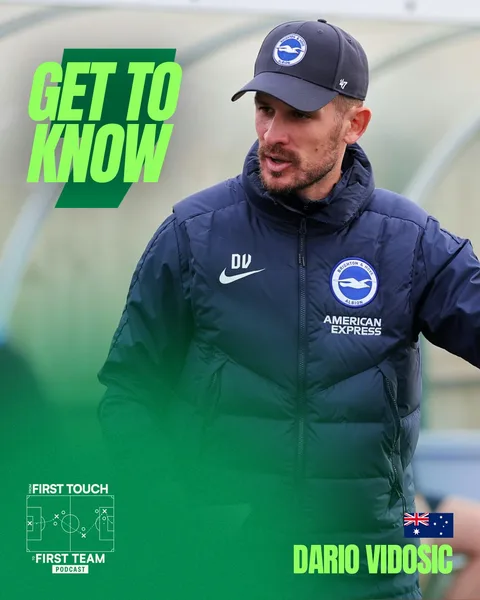
3:25 Dario Vidosic Yeah, yeah, Dario Vidosic so very much football. playing from a very young age, played for the Socceros, had a you know, professional career in in Europe, in Australia, in Asia, and now most recently I've been a a coach as well. So went from from the women's game in in Melbourne where I where I started to Brighton and now yeah, getting getting ready for my next move in in a in a couple months' time.
3:52 Jan Which is definitely not the topic for today. So we wanna talk a little bit more about your journey, different topics around what did it take from getting from Australia to overseas, the time in the Socceroos and then obviously to transition to your coaching career. But maybe take us back in time from what you can remember. What was your first touch like? What was your first contact point with football?
4:13 Dario Vidosic Look, it was just with my with my dad, I think. It was that's that's my that's my memories. I don't have too many from when I first arrived in in Australia from Croatia. I was I was very young. I was around two years old when when we did arrive. So but yeah, after that my my earliest memories and pretty much majority of my childhood memories are with a with a football or or being around the football game or at a football club and and playing with Playing with my friends and and the j the juniors that were at at Rocklea, which was Brisbane Croatia at the time. So a lot of very fond memories there and playing tournaments and then f flying across back to the club to to watch the first team, or when my dad was playing and then he was coaching afterwards. So yeah, a lot of lot of great childhood memories and and and majority of them are are are centered around football or or with the football at my feet.
5:03 Jan Yeah, love it. I've obviously spoken to a fair few different Australian players now, but also the younger generations. Back in your time, was like football already a a big thing or was it still quite challenging to find enough like kids that wanted to play football rather than the traditional Aussie sports?
5:19 Dario Vidosic look for for me it felt like it was a big thing. It was constantly playing. I remember at at primary school, you know, there'd be all different games that we would play, but football was a big one where it'd be, you know, one year level against the other year level at lunchtime and and then you're inspiring to be like your heroes that you're watching and you want to dribble through the whole school. So, you know, it was a a lot of a lot of memories of football and and then also we were going following my father if he was playing indoor or outdoor, being at his training sessions and us playing in the in the smaller pitch on the back or wherever we could find a little bit of grass to play and and I think yeah it was just a a a lovely childhood but but a lot of it was centered around football and and playing and and just being around it.
6:02 Jan Can you still remember who your idol was back then?
6:06 Dario Vidosic Yeah, probably my first one was Roberto Baggio. Cause I had a I had a VHS
6:09 Jan Yep.
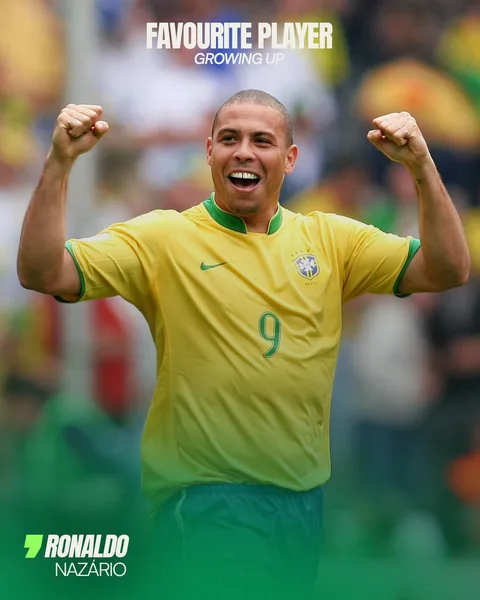
6:10 Dario Vidosic that was the the nineteen ninety World Cup and and I remember I just watched that over and over and over and over again. And so that's probably my f my first like World Cup memory, my first biggest memories or earliest memories of of of football and and watching that just all the time. And and I remember I even when I was quite young, I'd go around saying he was my uncle and and different things like that. So was he was a player that I loved and and then from there, all the all the ones that came after after him as well. So, R9, I used to love watching him. He was just unbelievable. Batistuta just trying to remember everyone now. I remember watching, AC Milan back in the day, Barcelona back in the day, Man United when they were winning the treble and the Arsenal and Chelsea maybe a little bit later when they came through. So Just yeah, a lot with that and and watching the games that I could get up for that were at the at the good time and and then a lot of it was on the Sundays watching the World Game and you know and and the recap of Italian football, English football, Spanish football and you're just
7:17 Jan Yeah.
7:17 Dario Vidosic just glued to the television watching that. So we probably didn't get the full games all the time as it is maybe as accessible as it is now, but yeah, always remember those Sundays and and looking forward to watching that that show and Then getting ready to record that, it was with the song, a little montage of a of a certain player. So it'd all be sitting around there just waiting, waiting, and then quickly pressing play and record, and then I'd watch that over and over and over again. So yeah, that those were those were the memories. It's a little bit little bit easier now when
7:46 Jan Love it.
7:46 Dario Vidosic you just jump on YouTube and you can watch whoever you want instantly and and probably thousands of videos. But you know, that those were those memories, yeah, they were a fantastic time.
7:56 Jan it's it's it's funny you say that because in the in the recent episode it was with Danny Cappellaro who connected us as well and he was talking about the same thing. He's like, man, I watched all the different games on VHS, on the world game, it was like that was my thing. I was watching as much football as I could. Maybe talking a bit about more your your childhood. You don't wanna go too detailed into the journey, but if you can give us a bit of an idea around like what from may maybe one question from what moment did It feels like that football could become a career for yourself.
8:27 Dario Vidosic That's a that's a good question. Look there was it it wasn't linear, it wasn't or it wasn't just ascending, from a young age where it was just up, up, up, up, up. I I started when I was quite young. I was I was good playing, scoring, you know, selected for representative teams for Queensland, we'd win the nationals, and then probably at I think thirteen, fourteen, fifteen, even sixteen, I wasn't making much. I wasn't making, you know, even barely made the representative teams. It was Brisbane Southern Districts, Brisbane Northern Districts, and then the Gold Coast and all the way through Queensland, FNQ, all the all the different sort of broken up in Queensland. And then you know when we'd go to state championships, I wouldn't make Queensland anymore. I wasn't making before that I was playing age group up. Then I went back to my own age group and and then yeah wasn't wasn't making Queensland. I never made the Queensland Academy of Sport. I was probably the last one to go into the AIS at a at a bit of an older age. But it it probably, you know, at at one point you don't really think about it when you're young. You always just have that the the just playing and you think, you know, would be I wanna play there, but you don't really know the meaning of it at that age. It's sort of you're just saying it to say it. But then as a teenager, it was, you know, there there was tough times when you you weren't making it and And you I was I was lucky to have my my family and my dad in particular there. And he just said, Listen, just keep keep working, keep keep enjoying, keep having fun. And then I think as I as I grew up and and caught up to everyone else, then then things changed. So I think it maybe it is a blessing when you're that later one that you have to then more focus on your technique. You have to use your brain a lot more to to think and to go, Okay, how do I navigate? How do I beat these players that are faster than me, that are bigger than me? You know, I have to play a little bit of a different style and then eventually When you grow up as well, then then those other things then help you to go in front. So it all went very slowly through that period. It was some tough periods, especially for a for a younger player, teenage player. And then then after that it all went very, very quickly going to there was that sort of hiatus in between the the NSL and the A-Leagues, and that was roughly where I was at the time as a 17, 18 year old. And but yeah, was through that, I think it was about a two-year hiatus between the two leagues starting, well, the A League starting again, that I was training and playing with with the Queensland Lions at the time, or Queensland Roar, sorry, which is now the Brisbane Roar. And you know, it was it was a great, great time. A lot of players coming in and out to trial, so got to be part of that setup and to play and then done well. And then from there yeah, had the opportunity at the AIS Came back and then I was I was signed prior to to heading over and then then I knew that that second season was was the one where I would be, with the with the team and and ready to make my professional debut.
11:27 Jan So in summary, it never in the youth years felt like you could really reach it because there was a lot of players ahead of you and the main thing you took away from maybe advice that you took from your father and maybe other coaches was like, Okay, just keep going, let's see where you can end up when you're seventeen, eighteen, nineteen years old.
11:45 Dario Vidosic Yeah, little bit. And it was you know, it's it's it's never straightforward sometimes. I think if you if you even if you listen to, you know, players from around the world, there's there's always different stories. It's never you you don't know what's underneath the you s only see the tip of the iceberg, as they say. So the the everyone's journey is a little bit different. You know, there's some that will have started football at four years old and played it. There'll be others that I think Matt Leckie was one I think I remember him saying that. And and I I might be wrong, so apologies to Lex if I got it wrong. But from memory, I think he said like he started playing football at a at a later age. at a later age he picked it up and and e even if it's not Lex, you know, there is other players that are like that. Some that you
12:28 Jan There's a lot of yeah.
12:29 Dario Vidosic know, I I remember with Eberechi Eze, I was talking to my son about it actually yesterday. And, you know, he was released from Arsenal at a young age and then he comes back and signs for I don't know if it was fifty million pounds comes back and then he's Arsenal's first team player. So, you know, there's all all different ways, all different routes. It's just one I think the most important is to to enjoy, to to have love of the game. And that's that's the most important part. It has to be fun to go out there, to play, to kick a ball against the wall for hours and and imagine yourself, you know, at a young age that you are like me, I was thinking about Roberto Baggio and and going on that slalom that he did at the the World Cup and you just envision things and and you have fun with it. So scoring goals and, you know, putting yourself at, you know, let's say Old Trafford scoring like a free kick like Becks was. So it's y you know, I think as a as a child you you have that imagination and you you put yourself in those moments and you have to obviously work hard, you have to dedicate time to it, but everyone's everyone's story is is very different. So there's never just one, but I think what's most important, I think everyone would say, is that dedication and that hard work. Whatever moment that happens, that that's always I'm sure that's always at the foundation of everyone's story.
13:52 Jan So then question for you, obviously times have changed, years have gone by since you were young and now there's a different generation, there's different young players come through, you're also a coach, you see probably young players trying to break into the first team over the last years where you've coached. Do you sense a difference in terms of what is now needed to make it to the top level? Or is there not much that has changed?
14:16 Dario Vidosic Again, depends maybe what league. So if you look to the Premier League, I think physicality wise, now that's it's it's changed a lot. I'm sure it was very physical back in the day, but now the profile of players that they're looking for in that physical side of things is is much higher as well. So being at Brighton and and s and and spending some time with the men and and hearing a little bit on their side, that that was a word about that physicality, having players that can meet the demands of the game, but you have Players like Florian Wirtz that are technically unbelievable, Rayan Cherki, Bernardo Silva that were dominating, not not very long ago. I know he's not in the league anymore, but there there is players that have a very technically high ceiling that are that are, that can control games, dictate games, and you know, outsmart maybe the more physical players. So it's it's it's it's it's still the same in the end. The football is It's still the same. Maybe little components are slightly different, but to play at the highest level, you have to be technically very, very good, physically also now very good to be able to meet the demands of of the of the of the game, the intensity of it, being able to run long distance at a high intensity over those twelve, thirteen kilometers or whatever or whatever it may be. So, you know, it's it's almost a complete package, but if you if you go down from the highest, highest of levels, you know, still be at that very high professional level. You know, it it's it's also what style of football does the club look to want to play? The coach wanna play all these different factors. So I think there is still lots of avenues to to play at the professional game, but you know, at the elite one it's starting to go at least in England, it's starting to take that little bit more physical, physical route.
16:05 Jan Yeah. Great summary. To maybe come back to your story again, obviously then after breaking into the A League you made the move overseas to Germany, you had your first trial there. Maybe take us back in time. What what was that feeling like for a young player? Because I'm comparing to to you know, like some younger Australian players that have now represented the Socceros already or in youth national teams and they are going overseas or dreaming to go overseas. What was that time like and maybe one or two things that that players need to be aware of or be mentally prepared for when going to another country to trial and take another player's spot, right?
16:44 Dario Vidosic Yeah, it is. And for for me it was a little bit bitter sweet starting in Brisbane at home, debuting and the and the season that we had and then knowing that it might have been, you know, the the last time, at least for that for that moment. But it was also really excited. It's it's a dream of a player when you're younger to to go to Europe to play at these highest levels. And you know, I think it was a lot less accessible as well to see footage. back in the day to know about the club so so now it's it's it's a lot easier. you can just jump on a call just like we are now you can speak to to people that are you know have maybe previous players that have been at the club, you can speak to the coach, you can you can see everything, you jump online, you can read everything about where you're going. And so it's it's maybe a little bit easier to know what's ahead, what sort of style will I suit that style. You also hope that they They're looking at you because they believe that you'll suit that style as well. So when I went over, it was, it was it was like a trial, but more just to see me, just because you couldn't see as well. So you know, I trained a couple of days and I I signed straight after that. so that was that was yeah, exciting and you know, it was at that moment a dream come true to head over. And I had a couple of Australian players at the time there. So it made it made it a lot easier. first that transition over. But it was one that I think even without the the Australian connection and having the the the guys around you that you're very familiar with, that you can speak English with and you know, come from a familiar story to you. But you know, I I just love being there, loved playing football. And every time I was overseas in different areas, that was my my the the part that I wanted to be a part of. I wanted to be there. I wanted to be on the field. I wanted to practice. I wanted to train wanted to compete. So that was always the the funnest part. So yeah, it was was really good. And, especially in the Bundesliga every every week, sold-out stadium, the the energy that you feel on a match day. From the early morning people are in the jerseys, they're getting ready. You arrive at the stadium, already thousands of people already there. So it's it's more like a it's like a festival of football match day. It it's not, you know, they it's it's a build up the whole day and you you feel that. So That adds that excitement, especially the European Nights and and if you go on cup runs, deep cup runs, the the the derbies that we had with Bavarian derbies, Greuther Fürth against Nürnberg which was a very close local derby. So you you feel that throughout the week. And those were always special games to be a part of. And I and I learned a lot in my time in in Germany.
19:27 Jan What would you say were the the biggest takeaways for you as a footballer, but that also maybe now translate into what you're doing as a coach? what do you try to pass on to maybe players in general, but especially players that you that you coach now for your experiences as a player?
19:41 Dario Vidosic I think not just from my sort of learnings, also what you hear from you know the the best say sports people from from all sports. If you listen to, you know, LeBron James, Michael Jordan, say Rory McIlroy, Serena Williams, you name it, doesn't matter what discipline in sport, footballers they all tell a very similar story. Maybe how it how it gets there, what they done, but a lot of it is through that hard work, just constantly playing, the discipline. And then you also hear of the stories maybe, where some might have lacked a little bit bit of discipline and that was why they were unable to reach the heights that perhaps they should have reached. So it's it's always those things. You want people to enjoy it. I think that's most important for me as a coach, that my players feel like they're enjoying it, that they're improving, but the actual contact time that we have, it's An hour and a half a day on the field, let's say, the rest is also very important what you do. So, how do you recover? How you know the extras that you're doing. And this is when you're at the professional level. I think as a as a younger player, when you're going through, how are you getting the most out of each and every day to help you to develop? Because once you get to that higher level, yes, you can still improve, yes, you can still work, but now with the with the the medical side of things, the S&C side of things, they're tracking absolutely everything. And that was something I think I was it was maybe Roy Keane or or Roone I think it was Rooney that was talking about that. That it's a lot less now because they're they're, you know, getting you off the field, they're tracking how far you've done your intensity, and then constantly the periodization is changing. So it's maybe a little bit less. And that was something that I liked as a professional to stay At the end of training, stay with a bag of balls and and just have that moment to yourself and just work and different finishing or crossing or dribbling. Or if you stay in a little group, you can cross for someone else or work on one on ones, whatever it may have been. So I think, you know, we we still try to encourage that, but you know, we it's it's about finding that now medium ground with the S and C's. ~
21:55 Jan Yeah, that's belly. Yeah.
21:57 Dario Vidosic so at a younger age, it's important to get this at the highest level as possible because when you get to the professional, then it starts to Yes, we want to develop players, but then also you're looking at winning games on the weekend and and how we can how we can do that as well. So it's it's the sometimes at that level it's the most important things yes, on the field, but also off the field, what you're doing. And and I always found as a player, when you done that at a at a high level and you gave everything, Lady Luck had a way of rewarding you. It the football gods had a way of rewarding you that, you know, things would happen. you the ball would fall your way, you just and so I I don't think that's a that's a fluke. I don't think that happens by chance. So when you do the right things, the right things seem to happen back as well.
22:45 Jan Yeah, love it. I'm wondering, you obviously grew up in Australia, you had your full football development in terms of youth development in Australia. When you went over to Germany, did you ever feel like wow like these guys have trained way more, they have trained differently? Were there periods where like or like topics where they were hard to adjust or did you feel like it was quite easy to slot in?
23:08 Dario Vidosic No, I felt I felt quite comfortable at first. When I when I arrived, I just trained freely and and I impressed fairly quickly. And then it was just, you know, little different things that you have to learn and and the style and the language. So you you're hearing things, you have to quickly learn the language. But I I played, you know, as myself. I didn't want to change too much. Of course, what what we had to do on the field, but that that style of player and and just learning. I had a lot of unbelievable players when I first arrived that were there. So I try to learn from them, listen to them, and and and y and you look up to them as well. Some of the things that they've achieved, that they've done. And there was Marek Mintal at the time, Phantom, who was a Nuremberg
23:49 Jan Yeah, well. Yeah.
23:52 Dario Vidosic legend. And, you know, after training, every day almost he's staying working on finishing, gets you as a young player cross for me. And it's left foot volleys, right foot. Whatever it was, he was there. Then, you know, as an attacking midfield, Zvjezdan Misimović who broke the Bundesliga record four assists at at the time, won the won the Bundesliga after he left. And so be him being there. So there was a lot of international players that you could just sometimes when you sit you just watch them, you observe them, you see what they're doing. And maybe as a younger player you you've got that little bit of arrogance about you as well that I'm I'm young. I can I can do it too. But when you when you look back and you reflect on on the things that they were doing like that, Marek Mintál was the, perfect example of what a professional should look like.
24:38 Jan Yeah.
24:38 Dario Vidosic It it's hard not for that to rub off on you. So we tried to be I was very respectful always. I was growing up that way to the to the older players. So we had to, I understood that cleaning their boots and and looking after things and getting them things that they needed and, a dinner. So y y y you had that that sense of respect. But then when we got on the field you went, Okay, let me show you a couple of things as well. But it was a
25:04 Jan Yeah.
25:05 Dario Vidosic Environment and you know, you you obviously work very, very hard in Germany, so that was something to adapt to, but it was, you know, it was a very, very fun four years.
25:14 Jan Yeah, I love it. I'm curious. Obviously you were part of that like w what they call the golden generation of Australia. There was a lot of players at the time that went from Australia overseas. Then there was a big break where it feels like Australia was not necessarily looked at for young talented players. I feel like more recently that has changed again. did you ever get that feeling being overseas that people are like, yeah, you know, whatever they do in Australia, but the players are not good enough? Because I I feel like sometimes as you now said, you were a player that grew up in Australia, you went overseas and you kinda slotted into the level. I feel like sometimes the Australian players are not looked at enough or in detail, or they're not giving a chance because they're obviously playing so far away that no one in Europe can really suss how good the players can actually be, especially the young ones.
26:02 Dario Vidosic Yeah, and it's it's it's always probably what we spoke about before. Sometimes it depends where where you go, what they how they see you, your development and and having that little bit of luck as well, not you know, to to have that opportunity. So I had when I arrived if I was playing as that sort of as that number ten, I had Marek Mintal and and Misimović in front of me. So it's two, you know, very, very high level players, very, very good. But I I don't think there's a there's a massive difference. I you you do need that time to adapt, to to get used to life, to learn a language, especially when you don't go to an English speaking. But th there is a lot of players now that have gone over that are you know, it it might not happen immediately, but they show their quality, like you know, Jordan Bos who's doing very well, Nestory who's doing very well. So, you know, i i sometimes it takes time. So for for me when I was in Germany where we were maybe a little bit unlucky was At the time there was a a massive as a as a federation, as a as a country, they were they were looking at their national team when they didn't do too well at the World Cup. I think it was in 2002. It was a very older generation. Argentina had Messi, they had Di Maria, they had Aguero. They spoke about this, about how do we develop these players, how do we create these players. And then, as a country, they decided we need to give them an opportunity. We need to let them play. We need to, this is for us to be successful. So I remember then we took about six players on loan and signed a couple young ones. Ilka Gündogan was one of those players that we signed. ~
27:42 Jan Yeah, well
27:43 Dario Vidosic Toni Kroos then started to play, Mesut Özil started to play. So it was basically league-wide where There was a little bit more of an encouragement on German players to play for their development. So then that maybe stopped us a little bit or it it forced us to be, you know, if we will say even a little bit above we had to be there now to really get that chance, to really play in front of them. but look, for for German football, it worked. You know, they they won the World Cup after that, they've been at the top, and maybe now they're in a moment again of of trying to figure out what's the next step of of how do they get back into that equation to to f to fight for for world championships. So that was that was a big thing at the time. But all of a sudden you had the, Khedira that were playing go to Real Madrid. Mesut Özil playing goes to Real Madrid. Toni Kroos and Ilkay Gündoğan goes to Dortmund He's he's done what he's done. So, it was it was a good time. It was interesting, but it just showed that that trust and that belief in the youth. And I think at the moment Australia's been forced into that a little bit instead of maybe that being the the the path that they want to go on. It's been a little bit forced because of the the financial issues, because of how things are how the landscape looks in Australia, that that's been forced. But you're seeing now the players heading over, getting those opportunities, playing at a younger age, getting that experience. And now they're 15, 16, 17 by the time they get to 18 and they can head overseas. They've maybe got 50, 60 professional games. They've been in that environment. They've, you know, been in tough times, been in good times, been able to learn. And then when they go overseas, yes, it's the next step up. You play with, you know, a higher quality, but you're also potentially much well prepared as well for that, for that next step.
29:36 Jan Yeah, 100%. And I believe that that's happening at the moment, as you said, and that's a very positive thing for Australian football in general. I feel like there's a a lot of positives around the game itself in terms of Australia, being back on the map that like clubs in Europe are looking at players. There's a lot of young players representing the soccer roos. So I think it's a it's a positive. Do you ever get like people reach out to you because obviously like you've been in and between Australia, you played in Australia for in the A Lee for a long time, you presented so the Socceros. That they ask you about how football is here in Australia, that maybe they say, should I go and play in the A League? or that is there some talent in place that you know of that we should have a look at?
30:15 Dario Vidosic look, yeah, a little bit. So with with Brighton they're asking, they they they have their data, so they they they they're keeping tabs on every basically player in the world in the men's game. So if you play at a professional level they're they're tracking you, they're seeing you. But I was saying if there were any really good ones that I thought would stand out, I'll just mention it to them and they'd have a look at it. So I think with with what players have done and Australia's always has created good footballers that that go overseas that That play at a high level. And I think now with coaches as well, it it only takes sometimes one player to start it. And then, the rest, then it's sort of that pipeline creates. So now with with the moves that the some of the boys have made, with how they're performing, how they're playing, it's some very, very good teams across the world, only more and more attention will turn to Australia. So it's it's a fantastic opportunity for for the players and also for the coaches. So I think, you know, of course the ones before, but For us, Ange, Ange played a played a massive part for that for the for the coaches. And you can see now how many are overseas, how many are, at at a good level coaching and and and being successful as well. And also on the player side. So I don't think it'll be too long where we're constantly seeing the the transfer record broken in Australia. And it's it's a positive thing. It's positive for the for the nation, it's positive for the national team, it's positive for young players, it's positive for the junior clubs that will get some of those funds from the trancers that can help them boost their, you know, their training, their facilities to help players. But it it's it's sometimes it, and I've said it here, you could bring Pep Guardiola, and if you work with him say three sessions a week, and that's all you do, it just won't be enough. It just unfortunately won't be enough. And and I think my for my development, it was that. playing in the in the in the backyard, but also when a weekend would come and I would go and watch, I remember I'd be on the backfield and we'd be playing against the kids from the other club or against ourselves and that would be for four, five, six hours sometimes. And you'd just be constantly playing, playing, playing, and and you start without knowing, you're in okay, there's five of them. I'm trying to dribble through them. I'm finding passes. So you're in these game related situations just by chance. And sometimes it's not even game related because there's 30 kids on the field and you're just trying to, play and you're going through them, you're getting kicked, you're getting all sorts. But I think that's that's where you get that learning and playing at school. So as much as you can put yourself in those situations, that's what's going to help you. And then the alone time is when you're working on the on the technique with the wall, with your siblings, with your parents, and and envisioning things that you've seen, Lamine Yamal. When he goes on those runs or Rodri if you want to be a defensive midfielder, defenders. So it's you you can see things a lot easier now. Technology helps a lot more now, but technology can also stop you when you get on the PlayStations, on the Nintendo's, on the computers. So as as much as you can use away,
33:28 Jan Phones, there
33:30 Dario Vidosic they can also stop you as well. So you know, if you if you have the, you know, correct mindset and and and put yourself in a good situation. You have everything at your fingertips now to to really accelerate with the learnings. You know, you go on YouTube, you type in something, you'll have a 20, 30 minute video of of a session. So and you can go out and just replicate that, work on those things. And you know, I think it's it is much more accessible now, but it can also be very more distracting as well.
33:59 Jan for you now on the the topic of moving from Australia, which is obviously a beautiful country, it's a safe country. a lot of people, a lot of young players growing up here, they they kinda have everything, so it's very comfortable. What would be one part for you or like one advice in terms of the the mentality piece to say to them it's like, Hey, there's a whole different world out in Europe? Yes, the goal and the dream of playing football in Europe needs to be there, but Maybe one part that's like you need to be realistic of what it's gonna look like, being far away from home, maybe being without family, being being by yourself, having to adapt to a new language, to new culture. What would you say to someone that is maybe like the seventeen, eighteen, nineteen year old that has the chance to go overseas? What do they have to be mentally prepared for?
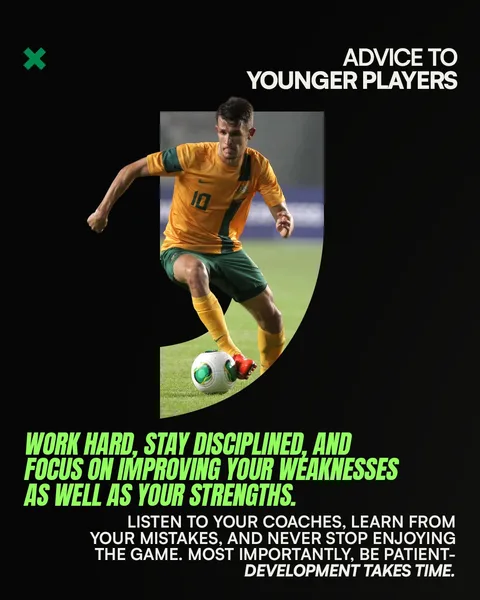
34:42 Dario Vidosic A little bit of everything sometimes. A little bit of everything. So, if you're unfortunate you you hopefully touch wood that injuries you stay clear of those. It would be hard if you're, you know, by yourself, you have to try to look after yourself, recover, do the best you can, especially for a young player. So it's important those things off the field that you do to keep yourself on the field. And and y you just try to, I think, if you if you if you feel like that is what will happen. You almost have to try to to think about it beforehand. Think about how that's like. What what can you expect? Speak to maybe people that have that have already done it. What they what things that they did they encounter that were a little bit different. But it's it's if you have that love of the game, if if that's something you've dreamt of, those sometimes become little problems because the main one that I'm focusing on that I wanna be, I'm here now. Now it's the next step. Now I need to do even more that I can thrive in this area, that I can then go to a World Cup with Australia, that I can go and play in the Champions League, that I can achieve all these other things that that I want to achieve. So when you get there, it's just the start. And I I I think someone I can't again, I can't remember who said it, but they said in Australia we're very well welcoming when foreign players come and sometimes overseas it's it's you're not as welcomed potentially. I was I was lucky enough that I was, I d there was a good team there, but they probably not all gonna come out and say, let me help you. If you need something, they'll probably they welcome you, but they got an eye on you to see, okay, what have what's here? What how can you help us? Or are you trying to take my position? So it is slightly different. And then you have heard of stories, especially back in the day, I'm not sure if it's changed now, but you know, they make it very difficult when you first arrive. They hide your clothes. They won't tell you if there's meetings, they'll they'll tell you different things and they try to, disrupt you as much as possible. So you you hope that's not the case. You you hope when you come to a team, you look you you are looked after, people, you know, bring you in. We are a team, but I have heard stories of where when it's made very, very difficult. So you have to be mentally strong. There there will be times when it will get tougher, and and it's just about persevering through that, knowing why are you here, what do you want to achieve. What are your dreams? What are your ambitions? And and holding on to that. It's it's easy to be distracted. If you go away from home, now all of a sudden you feel a little bit freer, you can do the things and it it's important. Why are you there? What's the reason are you there? And and trying to make the most of it. Because when you're young, you sort of feel, there's plenty of time, you know, I've still got twelve, thirteen, fifteen years. If you're Ronaldo I've got twenty something years, but time does Time does go very, very quickly. It goes very, very fast. So you wanna make the the most of of every moment, of every session, of everything, and and give everything that you you can to to your craft, to to your dreams. And and I'm sure, you know, everyone that goes overseas, they've dreamt of that from a from a young age, wanting to be on that stage, wanting to be in those stadiums, wanting to play in those moments. So Do everything you can, still enjoy. I think it's important to to enjoy with family and life. Find that nice balance. But the balance also has to be tipped a little bit more to football. I still will this help me with football? And you know, just give everything you can because very, very quickly you get to those final few years or that final year and you you you don't want to look back with any regrets. if I done this, if I done that. So you wanna finish and and enjoy and normally there's always going to be things because if we all had the magic ball that we could see into the future we'd we'd never get anything wrong. But, at least for yourself, you wanna do everything
38:37 Jan Yeah, very true.
38:37 Dario Vidosic can because it is you know, it is very quick. It's very beautiful, but it is very quick.
38:44 Jan Yeah, I think that's that's great point and already an amazing piece of advice. On that to close the chapter around your playing career. Is there something if you could go back in time that you would do differently in the younger years and the older years, maybe a move or how you approach the game or training? Is there something that comes to mind where yeah, I could have done this differently?
39:04 Dario Vidosic Wh whenever you look back you always feel you could do more. I think it's always when you look back y you feel that especially maybe when you're younger. And there were times I used to love just staying out there. I used to just love that and I'd be getting yelled at by medical teams and that and I'd be trying to wave away. Just let me be. I I know I know what I'm doing, just having a little bit. And you know, it it's it's always first you you especially when you go overseas, you know, Get yourself in the culture, try to learn the language as quickly as possible. get around your teammates, go out with them, force, force yourself to to to talk. And you know, that that's also very important. So I was maybe more like, I just want to do the football. I don't want to do those things a little bit. And and those things can sometimes play a big part as well. So you will understand everything a lot clearer. you know, it's it's going from directly to you, it's not being translated and to you. So all all those things can play a part. And and it's also how you how you can look after yourself. I think when you're young, you think, big session, I'm recovered tomorrow. So I might not need to do everything that maybe a senior player might need to do. And that can be true to some extent, but you want to try to to get the most out of it because that those bricks build up over over time and and sometimes maybe when you're older, it's a little bit hard to catch up and and and make and and clean up those errors, so to speak. So you you wanna try learn, and Marek Mintal was a perfect example for me, what that looked like. So, and and you you don't have to look any further than Cristiano Ronaldo. He talks about it all the time, what he's still doing at forty one years old, how he looks. So you don't have to look far. He was at the at the highest point of the game. It'd be easy for him to go, okay, I'm I'm you know, I can Do this, have a day off here, do that. But he found something. He found Messi. I wanna I'm competing with him. And he kept driving next level, next level, next even now he's still finding ways. And he's, he's a billionaire, the guy. He's got everything in life. He's he's achieved in football. He'll he'll be in history forever. He'll be spoken about. But they they always they always find something. I'm sure every day when they wake up, there's something that they need to achieve. So it's It's you know, if it's th this is the most important up here. This is you need to train this as much as you train everything else. You need to look after this as much as you look after everything else. And when the times are good, it's easy to go, okay, this this is just gonna go on forever. And then when times are bad, this will help you out of it. This will help you find that next step. So as much as you're Technical, your physical, your tactical side is very important. Your mental side is also very, very, very important because this plays such a big part in how you feel, how you think in every moment in a game, this is shifting up and down. If you've missed a big chance or you've made an error, how do I get out of it? Or I've I've created something, it's been we've scored, the crowd are ups. How do I now next step? How do I take that next step? So You you need to train everything. There's it's almost no aspects can be left untouched. So it's it's very important. And y you don't want to go too crazy at a young age, very, very young, where you're but it's good to start setting those markers a little bit, little things. And then as you grow, it's already embedded in you. And then as a professional, you you look around, you see, but now with the access that the that the kids have, you type in, you know, Ronaldo, Messi. They'll talk and and they all say the same things. All these people that have achieved in business, in in any walk of life, that have had great success and always have that success. And when they have tough times, how do they get out of it? I'm very sure the language will be very, very similar with all of
43:10 Jan Yeah. Totally agree. And I think that's a a key message for for the young players to start these habits and routines earlier, right? Rather than being like, Yeah, when I arrive at a certain level, that's when I'm gonna start to treat my body this way. It's like, nah. As soon as you're turning like fourteen, fifteen, sixteen, this is where you start your habits and then these routines become easier and easier. I can sense that you're already talking, I wanna say of the mix of a very experienced player, but mainly the coach. I can hear the coach coming out out of you a lot at the moment. I feel like there's a lot of knowledge that you're sharing that you probably relate to your players as well. So maybe we dive into the topic of you being a coach now. You finished your playing career, you had you played in different countries, you represented a Socceroos so a massive career. Maybe tell us for everyone that's listening and that feels like okay, you had this amazing career as a as a player. What made you then think, Okay, I wanna do this as a coach?
44:07 Dario Vidosic Just didn't want to leave football. I just I knew that it was something that I just wanted to stay in the game. My dad was a coach as well. So but I think it was when I was roughly I think twenty-four or twenty-five. I started to follow a little bit with Pep in in Barca B and what he was doing. There was a little bit coming up on Twitter. I was reading a little bit about it, I was really fascinated. And then obviously when he took over Barcelona. I I did I never wanted to miss a game. How they played football. It was it was always like
44:38 Jan Yeah. Yeah.
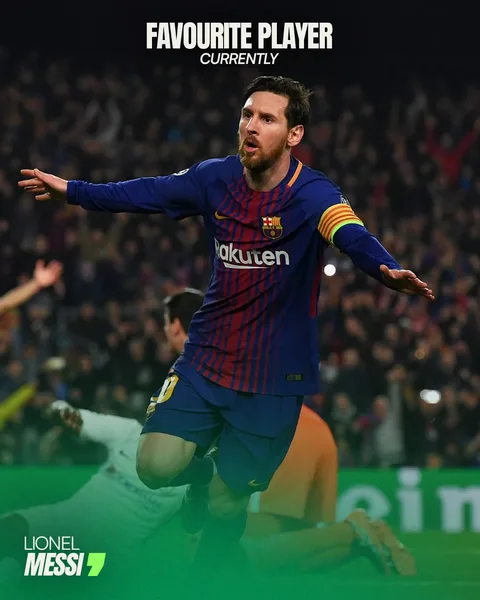
44:39 Dario Vidosic it was always like a brand of football that I felt I wanted to play, that I was that sort of mentally and how I how I saw the game, keep the ball, move, lots of passes, touches, and when we didn't have it, I wanted to win the ball back as quickly as possible. I always wanted to have the ball. So when that when that like came to life and I was watching it and then you know, yeah, Messi that You would watch the every time he played, your hands were just on your head. You couldn't believe what he was doing. So, and then, you know, that that sort of all of that mixed in together, how they they were just phenomenal to watch. They made football a joy. And and that that was something that I watched and I and I wanted to be a part of. If if I couldn't play that way all the all the time and be part of those teams, I wanted my teams to look like that. I wanted us to play like that. With that idea, with that identity. Okay, we wouldn't reach the heights of Barcelona because they were just yeah, I I don't think many teams will
45:39 Jan Yeah.
45:39 Dario Vidosic reach those heights ever. But, you know, the idea of football was there. So then I started to, you know, really take an interest on that side, watch football differently, talk to my dad about it. I was reading lots of things, ordering books, reading them, and and wanted to start my my coaching licenses. So then when the when the opportunity came at at at Melbourne City in the Academy. I probably still could have kept playing. I s I had a little bit of a back problem. My son was born and I and I decided I didn't want to jeopardize that. I wanted to have those memories of of playing with my children in the in the backyard and and you know, being there with them like my father was with me. So so then I took the decision, now's the right time. I I don't wanna sort of I've had my time. It was during COVID, so a couple of things fell through as well. So I it sort of felt like This is it felt like a sign a little bit. And you know, it was a fantastic place to start. And then my my
46:38 Jan Before before we go into the coaching side, I I just have a quick question in between. Obviously that Barcelona you're talking about was like the top, top, top. But do you feel like the Barcelona this year from watching the first games of the season is building towards that style of play again?
46:54 Dario Vidosic It is and and you look yeah, same thing. They they are top top to watch. So so good.
46:59 Jan Because I watched a few games when I wasn't w when I was in Germany obviously there's no time difference and I was just sitting there similar to what you described, being like hands over the head and being like, No way they the opponent has the t not touch the ball for three minutes and then they finish the last attack and they score a goal and you just sit there and it's like, How?
47:17 Dario Vidosic Yeah. And with with I think with Hansi it's maybe a little bit different, but in in in the in the essence of it, it's very similar. So they can they just hit you with what they see. They can hit you in one pass in behind to Raphinha and he's one on one with the goalkeeper and it's a goal. Or like you said, they just pass you to death and then they wait for that moment and it's a goal. And at the minute they
47:41 Jan Yeah.
47:42 Dario Vidosic they just look they look untouchable. They just look so good. They they're firing on all form. Lamines in form, Raphinhas in form, Pedri, that midfield. It almost doesn't matter who's playing.
47:53 Jan Karim Adeyemi starts actually scoring all of his chances then it they're gonna be unbelievable.
47:57 Dario Vidosic Then they're in yeah, then they're gonna be and look it it they they need a little bit of time, that adaptation period, Anthony Gordon as well. I I'm sure for them you come in, Barcelona, even though Lamine's at a young age, that's almost his Barcelona. Raphinha, you know, Frenkie de Jong.
48:18 Jan It's their new generation, yeah.
48:20 Dario Vidosic It's a young team, but it feels like they've been there forever. They're also young, but they've been playing for so long now. So you you need that little bit of time to to find that connection with them, to develop that understanding, that movement. So it it will which is if you're a Barcelona fan, it's very exciting. It's only gonna get better. It's it's only it's only
48:40 Jan It's ex it's exciting times. ~
48:43 Dario Vidosic gonna get better when everyone connects.
48:45 Jan To to come back to your coaching journey, obviously you then continued to to coach at Melbourne City, you took over the the women's team, and just most recently you were coaching at Brighton in the Women's Premier League. Going from Melbourne City to Brighton, did you find that there's a big gap in terms of the levels? or was it surprisingly close?
49:09 Dario Vidosic and look I'll I'll start a little bit with Yes. Yes.
49:10 Jan Maybe just from the players, not from not from obviously how the clubs are set up and the facilities, but just from the pla level of the players and how the game is played. Cause the other part is obviously a massive
49:19 Dario Vidosic Look from the players it is
49:21 Jan game.
49:21 Dario Vidosic it is it is quite a large jump up. It is because you know, here it is probably the the best league in the world. The the best players wanna be in the league, especially when you look at Chelsea, when you look at Arsenal, Man City, London City have now brought Alexia Putelas. She's potentially gonna be I think she will win the Ballon d'Or this season, so she's gonna be a three time Ballon d'Or winner. so it's you know, it it is at a very, very high level with that. But, you know, the idea of football for us was was the same. So trying to implement that way of playing with a new team that was probably playing a little bit slightly different at the time, but it it is a fantastic challenge. And then you get to go to the Emirates, you play Arsenal, you play City, you play all these different teams, Villa at Villa Park, and sometimes it is a little bit of a Pinch yourself moment because especially
50:18 Jan When
50:19 Dario Vidosic as an as a young Australian player, we we grew up watching the Premier League as well. That was probably the the the games that were most on TV. Not all of them like it is now, but you know, when watch the highlights, you see Villa Park, you see where else did we play? Yeah, yeah, at the at the Emirates, even though it hybrid back then, but later on when you're watching Emirates. So then when you walk out in these stadiums, you sort of it takes you back. all the way back to being in the living room early
50:48 Jan Yes.
50:49 Dario Vidosic morning, early morning with your or late at night if you were allowed and you were begging, please can I stay up? And y you know, sort of it it takes you all the way back to those moments, watching those games with with the family or or with my dad. So, you know, it it is really special and then to have those moments later in life to go in and and to compete in these stadiums. So those were really, really nice. But No, it was a terrific two years. We we achieved a lot, but it was fun and because of the level of these players, it forces you to think more, come up with different solutions and and so I I feel like I learnt a lot in these in these two years.
51:27 Jan we we've discussed the men's side already. Do you feel like the women's side is maybe a little bit closer from where the A League is at and the top level in terms of the Premier League?
51:37 Dario Vidosic look probably probably similar. I think it's at a at a similar thing. I think in Australia as well it's a lot of younger players now as well, which is which is fantastic. when I was at Melbourne City I had Shelby McMahon, fifteen year old that was playing in derbies, winning player of the match in the derbies. So they get those opportunities while while I think here, at least on the women's side, they can't play at until they're at least sixteen. So it it does make it then a little bit harder for them. They miss out on maybe opportunities that they would have been given because of just an age restriction. But I think in terms of the jump, it is fairly similar. the seasons aren't as long. You spend a longer, longer time in the off season that the players are then going to the to the NPL or or some of them are maybe not even playing, so then you have a much longer off season. So you That's time that's just lost maybe a little bit. so that that then makes the jump a little bit bigger. But you know, when there's talent, especially at a young age, you can always do it because you're at a young age, you you have that adaptation period to adjust. But when a good player is good, they can adjust and they can get to that to that next level. So all those things we spoke about, they're all really important. But you know, it it is then the next step. But when you take that next step, when you're in that environment, You learn a lot more when the speed of the game is faster, when the level of the players is better. You have to then take the next step. And you learn, you you learn sometimes the hard way through mistakes, through getting caught, through senior players maybe yelling at you and and learning it in a hard way. But then that's where those those tougher times, that resilience, mental resilience, that will help because you you need to go through those things. You need to experience the highs and the lows and then find that. medium ground that balance and then never let yourself go too high, never let yourself go too low.
53:29 Jan Yeah, very good. it feels like the the women's game in Australia had a few years ago was like at the felt like the top top level, right? And then everywhere in Europe, all the clubs, especially Premier League, Bundesliga, they were starting to implement their women's teams, they were building them with proper structures. As you said, they're playing in the men's stadiums. So the game is accelerating quite fast in terms of women's game in Europe. I feel like here in Australia it has not progressed as much because there's similar problem to the men's, the the funding is missing. But there's still a lot of talented players coming out of there. There's young players going into the Matildas, there's players going into the Premier League. I believe Charlie Rule is a good example, right? She she went over quite young. But do you see that there's gonna be a problem with the game in Australia? whether that's a man and woman because it's not progressing as much and now Europe is taking over again?
54:23 Dario Vidosic I hope not. I I really, really hope not. The good thing is that young players will be given, and as it as it looks the last few years, they will be given a lot more opportunities, which was which was harder years ago. And and that was the same on the women's side as it was on the men's side. You know, when there's you know, if you if you think about some of the internationals that came over, Del Pieros, Emile Heskeys, and then even Thomas Broich, Besart Berisha, that all played at a very high level, then, it it was a lot harder than for a young player. When you had the, Australian internationals that were there, you had to then work a lot harder. And if you did break through, you were maybe but now they get the opportunity from a young age to play. There's 15, 16-year-olds that are playing, that are, that are getting experience, that are learning. And and sometimes they have to learn the hard way. maybe. Lucas Herrington as a good example at at Brisbane played at a very young age, performed well, went to Colorado, and then he got signed into the Premier League. So can happen very, very quickly. While maybe earlier those chances might not have come. Maybe. You know, it's very hard to say. And and and and sometimes you need those those opportunities to present themselves where you know, if I if I look at Melbourne City, the squads that they had, the You you had Jamie Maclaren up front, Leckie on the wing, Andrew Nabbout on the other wing, Aiden O'Neill in the midfield. You had two very good internationals, Curtis Good in the back line, who who was at the back? You know, Aziz Behich now. It's it's not as easy. So you've got real competition then in front of you. So then once these if the players there then aren't in front, then the youth will will get a chance. So you don't wanted the path to be too easy. But you also you want them to say, okay, this is the level. You if you can get in front of a Matt Leckie, for example, you can play overseas then because he's he's shown it overseas he can play. He's still a very, very good player. So you want to have those challenges in the environment. And I think now at the moment there is that good blend where there is the young players and even they're competing with each other, but then they also do get those opportunities where they can play many games before their 18th birthday when they can go over. So they go with a lot more experience under the belt, which then will help them. They come in as a bit more of an experienced first team player instead of maybe coming over as a still a young talent, but young talent that needs a bit more time, needs to play maybe in the second team, needs to get those more experiences. So you potentially come a little bit more battle hardened, a little bit more experienced at different moments, So it gives them a good stead then to maybe get those opportunities at an earlier at an earlier moment.
57:15 Jan Yeah. Yeah, a hundred percent. And I hope that these con conversation, discussions that are going on, that there's a few people that I feel like it's it's it's it's half half. Like fifty percent of people say like, the A League is becoming too young, whereas our marketplace, the level is getting worse, where the other side is like, Hey, we actually wanna see our young talent coming through and playing in the A League and then progressively being, you know, going overseas, whether it's first to Asia or to Europe or representing the Socceroo. So I feel like That's the the part that Australia and the A League and the the football community has to work out. What do you actually want to see in the next few years? And I think us two as coaches would probably lead the way and say okay, some older players, but majority of the players being young and getting the chance to play men's football and seeing where they can take the game. So I think the next years will will show where that where that will lead us. question for you. Obviously, there's a difference walking out of a tunnel, walking into a game as a player. And as a coach, which one is it where where are you more nervous these days? can you remember how it was as a player or are you just thinking from a coach perspective now?
58:21 Dario Vidosic I think as a player. But then again as a coach it's a little bit harder because you you you don't control anything. So, you know, you you can't control everything. And then sometimes like I use the example when we were at the Emirates. I think there was like twenty seven, twenty eight thousand there that night. You can yell all you want, no one can hear you 'cause you're quite a while away. Very
58:41 Jan And you can't get a message across
58:44 Dario Vidosic hard to get that message across. So I I always feel calm. You know, when when you do the work When you prepare the best you can, when you leave any everything on, every page is is thoroughly looked over, that gives you confidence. And I think it's the same as a player. When you do everything right throughout the week, you train well, you have more confidence going in. When you went, that week or I had a poor week or whatever it may be, or I d I didn't sleep, it just helps you prepare because I think as a player, you will have nights where Or days or weeks, you don't feel well. But one thing I learned when I was quite young is the second you cross that white line, no one cares. There's no one going around with a microphone and saying, did you sleep well? was your child screaming all night and kept you awake and you had to look after them? Or, you know, you took a heavy knock at training during the week, or unfortunately, no one cares. So that's something that's i it is a little bit ruthless. And I think, that goes back to the to the A-leagues with the how how it currently is with the young players and that. People want results as well. People want to win. People want to, be in the grand finals. They want to achieve stuff as a club. So as nice it is with the young players are playing, they want results. And when there's no results, that's when it gets harder, attendances go down, you know, there's probably then less money for that club. So i it it becomes a balance of of of all these things. And you know, as a as a player, as a coach, it's preparation is key. How you prepare, the better pr you prepare, usually the outcome is better as well.
60:26 Jan Yeah. This might be a challenging question, but if there would be one thing that you could if you could change it in Australian football, what would it be?
60:37 Dario Vidosic You'd give the game a billion dollars. That would help a lot.
60:41 Jan Ha ha.
60:42 Dario Vidosic It's look, I think that's that's been the question. That's been the question now for a long time, and and people are trying to figure it out how to do it, which way to do it, how do we engage the the f the fans and more people to come to games. It it it is tricky because the country's it's so large, it's so big. The financial burden on fans, it it it is a lot. It's it's Is there a way that we can lower the costs? But then the costs of the stadiums cost a lot. So un until you own everything yourself, it it is it is very hard. You know, it's not like in Germany or in England where fans just there's 30, 40, 50 buses that just go, they go up, they play, they're straight back home, and and that's it. Like in in Australia, if you watch the game, you gotta book a flight, you gotta book a hotel, then
61:32 Jan Yeah.
61:32 Dario Vidosic all the costs to get to the game. So it it does become very, very expensive because it's such a such a big country. But these are the things we we need to try to figure out. And I think with the with the players that are that are playing, the young ones, hopefully the sales continue to go up, that clubs can can make good money from it. And then hopefully there's that investment that each one goes out and, they develop their own stadium. So we don't need to play at Suncorp and AAMI Park and Allianz and we're not renting stadiums that We have our own. And you have to take a hit at the start, but then this grows because you have that. This is ours. We built this from the ground. And then as the generations come through, and I take my son to a game, when he gets older, he wants to take his kids. And then that gets more and more. And then if there's, you know, if we've influenced seven, eight people that come, you can see how quickly this can then develop. And then you will get your 10 to 15, maybe hopefully 20,000 people. But I think that the game has made mistakes. When I was at Western Sydney, that was the best crowd in the country. The atmosphere at games. I had people that came and they they said we didn't even watch the game. And it was a Sydney Derby. They go, We just watch them. They like the atmosphere. When you played away teams would come and say, like, We wanna play away from home. We wanna be in that atmosphere. We wanna be there and and I think how we dealt with that and all was there at the time, there was there was flares, there was but that that that was us. if if rugby wanted to complain, AFL wanted to complain, y I I thought there were ways that we could have done it in a safe way where we can do it and and we work together a little bit more and you know, the fans they wanna build it as well. So and it felt like there was a conflict. There was infighting and then that dispersed. That was gone. And that that that for me was sad to see because that was special. That was and and take away the flares. You know, it was 90 minutes singing, 90 minutes, everyone around. And then when the the Poznan whole stadium's jumping, you'd have at when we were at Parramatta 16 to 17, 18, 19, whatever the capacity was, full. We would go to Allianz for a Derby. It was fifty fifty blue, fifty fifty red and black. And, you know, those a those atmospheres were it it was it was like Europe. You wouldn't find better in Europe. And I think we hurt ourselves, or at least the people that ruled the game, by over policing it instead of working together, speaking and saying, Listen, we know that the other codes are against us. We know that the AFL can't wait. We know that the rugby league can't wait for a story. But look, if we do it and we can do it safely and we work together, we want you, how can we help you? Let's let's work together, let's build this. And and I saw it, you know, other fan groups around the country were were looking and saying, Okay, we we take the challenge, we want to now build ours. And you could see everyone was taking those steps, and then unfortunately, you know, people outside got involved and we were listening too much from the outside, and but that's the atmosphere is what makes our game special. the those moments that when a goal falls and and the place goes crazy and edge of your seat every chance. That that that's what made it that's what makes football football. And you know, when you go to the games in the Premier League and it's ninety minutes, people are singing. It's you know, edge of your seat. When a goal it that's that's the emotions of the game. That's what people want to go for. They want to go home, you know, having felt all that, going hopefully celebrating a win, last minute, whatever it may be. And those are the memories that live for a for a very long time. That's what people talk about. I was there for the, the Western Sydney, Brisbane Roar final, where we went three nil down and and I was fortunate enough to score the winner in extra time. We won five four. It was the last game ever at at Parramatta Stadium. So and it's something that's spoken about now ten years later, ten plus years later. And, you know, that will continuously be shown. And it was it was a full stadium that Atmosphere and people leave saying, it sometimes it won't be the game itself, it'll be a moment, but it was the fans that made that day special and made those seasons special. So I think we need to try to figure out how to bring that back. And when you bring that back, the football's good. The boys can play, the girls can play. It it's how do we find and blend everything together when we can do that again. Then we can develop our game, we can develop it more, and then we'll get more success from it as well.
66:25 Jan Yeah, hundred percent. That's I always say to people here when they're telling you all there were a few flares at the Derby and there was this and this is like, hey, compared to Europe, this is nothing. if you go to a few smaller European countries into the stadium, there's fights, there's flares, there's smoke, there's everything. I was recently in Germany, I was like watching Frankfurt, my hometown club, live and I'm in the stands and I'm watching the game. The game hasn't even started and already have goosebumps. And these are like you said, these are the feelings that the fans wanna feel. That's where they wanna associate themselves to the players. So hopefully someone involved with the A League at one stage is gonna listen to this and hopefully s there's more football people in charge are gonna listen to this from like the fans, the players, players like yourself that have played here in Australia and that that wanna see the game grow but also wanna see that yeah, that part of the game gets gets developed. I don't wanna take too much more of your time because I know you guys have to pack. I know there's There's a lot to do before before your next move that as you told me will not be announced until the end of the year, but I think then everyone's gonna get excited of what's what's what's new to you. I'd like to finish the episode just with a few like easy, easy questions that you can just fire through, maybe some longer, some shorter answers. First question, what was for you the most unexpected place that football has taken you?
67:47 Dario Vidosic Ooh. Look, we we went to some crazy places when we played through Asia qualifiers. We had a very important Olympic qualifier where we qualified in North Korea. So that was that was a crazy experience. So you know, but we Yeah I th I think that's the beauty of football. It just takes you especially when you play with the national team, takes you to all places around the world. You meet all different people around the world. we had I know qualifiers in Sri Lanka. we played the under 20s in India. So even all parts of Europe, Romania for European nights. So Russia, St. Petersburg. So I think that's that's that's the nice thing. You get to experience the world, you get to experience life. You meet different people from different parts of the world. And I think that's that's why it is the world game. You see what it means everywhere. It's not just, you know special in England, it's not just in in Europe or in South America. Everyone's got their different way of it, but the love of the game, essentially it's the same everywhere.
68:57 Jan Yeah. Perfect. so we lock in North Korea, yeah?
69:00 Dario Vidosic Yeah. So it was yeah, it was a good game, good memory for us 'cause that that brought us we qualified then for the Olympic Games, but yeah, it was a it was a crazy few days, I must admit.
69:10 Jan Perfect. We won't we won't get into more much more detail there. second question. The best player you ever shared a pitch with and why?
69:20 Dario Vidosic there was a couple here.
69:22 Jan And I know I know there's a lot of them, but if you would have to pick one, yeah, w who would it be?
69:28 Dario Vidosic It's probably hard to go past Luka Modric. So we played the Croatia national team, which had, Rakitić, it had Kovacic. So that was a it was a very, very good team. But you know, the the quality of you know how he plays, and you just e even now at his age, 41, he's still best player for Croatia, very important player, probably best player for AC Milan. And you know, he was, you know, very, very, very good footballer.
69:57 Jan Yeah, I I I take that answer. we locked that in. obviously you played in Germany, Switzerland. Is there still one German word that you still use these days?
70:06 Dario Vidosic Look, it there there is sometimes. Sometimes they're not probably nice to say in the in the for the younger viewers that are listening. But it's
70:13 Jan Okay.
70:15 Dario Vidosic again it's the same thing, like to connect. So when I first came over, I had a couple couple German players with me. So then you can talk a little bit to them, connect with them. I can practice my German as well. So it i it is nice. same as now Lia Wälti came, so she speaks Swiss German, so You're able to sometimes speak that. If the opposition don't have German players, I can yell instructions out to her so that no one else can hear. So I think th this is the other side of life that that football gives you. So I I went to Germany, I learned a language, learnt a different culture, and now I can I can speak the language. Still need to probably keep practicing, which hopefully the time will allow. But you know, these are the other things that are that are really nice. That these are the things that football give you, these life Life lessons, life experiences, learn different things. So and that it also helped you later in life. So, very, very happy with that. And in Switzerland was I was in the French speaking, so learned French as well a little bit. So, you know, it's all these different things that that can help you off the pitch that that football brings.
71:21 Jan So is it a word that is used in everyday life or would it be a football word? Like Ballbesitz, Gegenpressing, what would it be?
71:29 Dario Vidosic you know, hopefully it's not Scheiße hopefully it's not that one too much.
71:33 Jan Ha ha.
71:33 Dario Vidosic But no, I I do I do use it you know, sometimes. Again, it just depends. It's it's it's nice that you have it, but you know, it's it is it is it is really, really nice to to just have those conversations, even just to say Wie gehts and just ask how are you and and start
71:49 Jan Yeah.
71:49 Dario Vidosic a conversation like that. So maybe maybe probably that one's the the most used because you know, when you see each other so much to greet each other to talk. And then it's yeah, then sometimes there'll be other words in training. If they do something, you say it in a little bit of comedy undertone where it might be like, What are you doing? But it it it it's it's always nice to connect that way as well.
72:11 Jan Yeah, great. I'm just in the future I'm just might send you some random German words for you to translate to keep practicing, but
72:17 Dario Vidosic Yeah, that'd be good. That'd be good to brush up.
72:20 Jan Last question for you today. if there would be and I'm sure there was many moments, but if there would be one moment football related that you if you could relive it, which one would it be?
72:32 Dario Vidosic That's a very good question.
72:32 Jan And maybe you can do one as a player and one as a coach.
72:35 Dario Vidosic okay, okay. look, I think it's i it's hard to go past like my probably professional debut. It's i it is always it and there's there's many moments, but that one, you know, to have my friends, my family, everyone there, it's where I grew up. on on the day I didn't even know if I would be in the team. So when we arrived before we played in Brisbane, you you come to the hotel. the coach told me then, I'm in the squad and it was the first round. So then, even then the energy lifts a little bit more. You get to the stadium, you're not sure, you're sitting there, and then he tells you warm up, you go okay. And then when you get that called over, and it it turned out to be a beautiful night. Came in, helped with the first goal to go two one up, scored the third goal for to score my debut. And just yeah, I felt like I could have exploded at the time with joy and and everything that you feel. And then to do that with your family, your friends that you grew up with. And so that that is a that was a really special moment. So that one would be would be nice to relive. There are, you know, obviously many, many more. And I think with football, it it's probably the similar thing. That that first game. first time you win the the first championship that you win. It's all maybe all these firsts that all have special times and and sometimes it's other things. It's seeing other people have success, you know, get called after hard work, get called international teams and you see the joy that that brings them. Their debut for the national team when they come back and you talk to them and how happy they are and and all these it sometimes it's the the the little wins that that sometimes and and for me I always like that When the times are tough, I like to then I go to the front, I accept the blame, I take that. But when when we we win, I want the players to have that. I want the club and the people inside to have that. I'm I'm I'm I don't care too much about that. You know, we we beat Arsenal 4 2 and I was upset that we didn't do this or this or this. Well and the players you know, naturally I want them to be happy because, you know, these things or when we qualified and and went to the FA Cup final and e even though we lost, I was really proud of how we played, how we performed, and we were maybe a little bit unlucky on the day not to potentially go one nil up or two nil up and and then you just never know. So I don't I don't like to judge football on the on the top left where the score is, where it says. I like to then go by the performance, how we're working, the context of the situation, and then then I take all my all my judgment from there. But it you know it it is a it is a sport that brings That brings joy, connects people from everywhere, you meet people from from all walks of life. you know, learn different things and and when you spend, especially when you spend time with people and being a former player, you you like to see them succeed. You like to see them have those moments of joy. And and those are the ones, because you know, I I never really remember when I go back. You you remember sometimes, you know, the moments you score and those feelings of euphoria, but You remember a lot of your memories are with your friends after in the hotel, traveling, going out, for dinners, just being together, you know, the the jokes in the change room, things that happened in the change room. These are the ones that when you see each other and you talk, this is what you talk about. You don't say, remember that pass you gave me and I scored from it
76:07 Jan Yeah.
76:08 Dario Vidosic or that free kick. You know, y we don't talk about that. So football's more than that. Those those moments help you at the time to give you those results. And it results help the inside, but the moments that live with you are those ones that are usually off the pitch and those celebrations and and the results. So, so it it is a beautiful thing where it connects many people and and you hope then through the hard work, through the results, that will give that's what gives you memories that last a lifetime.
76:37 Jan I wanna ask you in second about your best piece of advice, but I feel like you already have given a a a perfect piece of advice there that with football it's not only about enjoying the moments that are on the field, it's enjoying everything that comes of it. And like you said, the connection with the teammates, the experiences from travelling, from playing together, whatever happens around football and just playing the ninety minutes or extra time game. That is what as a player and as a coach we should enjoy as well, right? Because that's One big reason why we're doing it, the connection to other human beings and the experiences you're gonna make together.
77:12 Dario Vidosic It is, it is. And that's the that's the how you get the best out of people. That's how, as a player, if you're if you're so close with your your teammates and they become friends, I wanna go and train. I wanna be there because I wanna be with the boys or I wanna be with the girls and you know, you you wanna be with your friends and and then play with them and then we go out and we compete and and you know you're there for each other. If times get tough, I'm I'm flying in, first one to help you and I know they're gonna do the same. So You you build these connections and when I was a kid, I've got lifelong friends now from a very young age where we started to play and and they're like, family for me, that we speak every single day. We've known each other now for thirty five years and we'll we'll grow old together and and and th these are the things that that football brings. If it wasn't for football, probably never meet them and and y you never have these these things that last a lifetime. So Moments are moments, but the memories and the connections and everything else, that those are the things that that last a lifetime. Then every individual has their other little moments. you you remember the one I said, that debut, the scoring, but when you think back and you smile, it's it's something else that's happened you know, within the change room, or when you see them, you know, now with the the beauty of social media, it's easy to connect. You see them when when you when you flick through Instagram or And you see, their family or and then it takes you back to a story or memory and you might message them and say, you remember that? And it it's it's it's just ways you stay connected and and after if you don't see each other for a long time when you see each other it's like it's it's like there's hasn't been any time spent apart. So these are these are sometimes the nicest things.
78:52 Jan And that only happens once you if you have found that deeper connection of actually making these memories together because otherwise you would j would have just been a person that you maybe met once and and spent a bit of time with. so I think that yeah, that's a that's an important message. Besides that, the emotion, embracing the moments, enjoying the these experiences. To finish this episode, Dario, first of all, thanks a lot for making the time in a in a busy period for you and your family. really appreciate it. I hope that a lot of players that are listening to this and parents can take a lot away from it. I'm sure a lot of them will will follow your journey on as well. I will definitely. yeah, to wrap up the episode, maybe your best piece of advice by the young footballer out there trying to do something with with the professional game or football itself.
79:36 Dario Vidosic Yeah, that's it's it's a good question and it's probably a lot of what was spoken about in the in the episode and what we spoke about, but it's it always the the base has to be you have to enjoy it. You have to want to be with the ball, and and just and just play. Give give everything to the game and even if it if it doesn't eventuate to go to the highest level, you'll still meet so many people through it, you'll you'll make so many friendships, you'll make so many good memories through it, but If it is something that you wanna, chase and you want to play at the highest level, chase your dreams, give everything towards them. it's just work hard, make those sacrifices, listen to to people that have done it as much as you can, get those words of wisdom, listen intently with with what they say, what they do, and and if you have someone that you look forward to, you can always blend your game on people if you love a you know. sure there's gonna be many kids that are watching every moment that Lamine la Yamal's doing at the moment as a as a nineteen year old. So watch what he does, go imagine it in the in the backyard or on your parents in the house if they let you have the ball and just have a ball between your feet as much as possible. Develop that relationship and and yeah, just have a have a love for the game. I think that's that's also very, very
80:57 Jan Thanks a lot for that. Thanks a lot for the episode. Good luck with the the next step in your coaching career. all the best to you and your family. And then yeah, as I said, we'll we'll follow your journey and maybe one day we're gonna be able to catch up in person and hopefully much success for you as a coach.
81:16 Dario Vidosic Thank you very much and thanks for having me on. It was was great to chat.
81:19 Jan Thanks. So
81:21 Dario Vidosic Thank you. Ciao ciao.